
Choosing a Summer Sunscreen: How Lotion, Stick and Spray Differ in Use
How lotion, stick, spray and tone-up sunscreens and SPF primers differ in use. Beyond convenience, check that you apply enough and that the UV protection is labelled.

Suncare Editorial
Summer Sunscreen: Reading Protection Labels and Formats
Comparing how lotions, sticks and sprays are used, and how tone-up and SPF bases differ.

Look up sunscreen and, besides lotions, sticks and sprays, you see terms like tone-up or SPF primer. They are not all categories on the same basis, so it is best to read what each means separately first. There is no need to buy a new product because it is summer.
After looking at the protection labelling and where you will use it, think about whether you will use it on the face or the body, and how you will reapply while out. You could buy a morning one and a portable one separately, but if the product you have now is easy to reapply enough, you can use just the one.
Look for SPF 30 or higher, broad-spectrum protection that blocks both UVA and UVB, and water resistance labelling (American Academy of Dermatology, AAD).
For products sold in Korea, read the protection labelling on the packaging, such as SPF and PA, and check the directions for days exposed to water or sweat too. Even with a high number, applying a little can fall short of the labelled conditions, so choosing a format that makes it easy to use enough follows.


Avène
Sun Mineral Cream
50 ml · SPF50+ PA++++
Check sun-protection labels for outdoor summer activities: read the product label and directions.
View on NaverHow do you sort products by format and by purpose of use?
| Format | Check before use | Checks for applying enough |
|---|---|---|
| Lotion · cream | Protection labelling · water resistance · areas of use | Apply enough over all exposed areas and reapply |
| Stick · cushion | Application method and number of passes · tool care | Separately from portability, check for missed areas and the amount |
| Spray · mist | Areas of use · inhalation · caution with flames | Avoid spraying directly at the face; check the conditions of use, such as wind |
| Tone-up · SPF base | Guidance for use as a sunscreen | Do not reduce the amount of sunscreen for the sake of colour or make-up |
How do the formats differ?

Lotions and creams are a format spread evenly by hand. Do not decide the moisturising feel or shine from the name alone — look at the finish when you have used the recommended amount.
What to look at: whether it is easy to apply enough evenly, and how it feels after applying

A stick can be convenient to carry and reapply. But rather than passing lightly over just the nose and cheekbones, follow the guidance to apply enough evenly over the exposed areas.
What to look at: whether you can apply the labelled amount without missing areas, and care of the application surface

A spray too has to be applied enough, evenly, and spread. Watch for ventilation, wind and flames, and do not spray directly at the face.
What to look at: areas of use and spray method, and the cautions on inhalation, spraying directly at the face and flames

Tone-up refers to colour correction or a brightening look. It is a different distinction from a format like lotion, and if used as a sunscreen the labelled amount has to be kept to.
What to look at: the colour and finish when enough has been applied. Do not reduce the amount to match the colour

For an SPF primer, read the feel before make-up and the protection labelling separately. Applying a little as a base cannot be taken as enough sun protection.
What to look at: the amount and method for use as a sunscreen. Do not add the SPF numbers of different products together
There is no need to have every format. Read each product’s protection labelling and directions first, and compare whether it is easy to apply enough in real life.
What to check with lotions and creams
Read whether it can be used on the face and neck and so on, and the labelled amount. Rather than settling on it as a morning-only product, you can look at whether it is easy to reapply while out too.
What to check with a sun stick
What matters is not only whether it is easy to carry but whether it is easy to apply enough evenly. Do not stand in for reapplication with a small touch for fear of make-up clumping.
What to check with a sun spray
A spray is convenient for wide areas, but it is hard to tell from the amount sprayed alone whether enough has gone on. Spray somewhere ventilated but not windy, so it is not inhaled, spread it evenly over the skin, and do not spray directly at the face.
What to check with tone-up
Look at whether the colour suits your skin, but do not adjust the colour by reducing the amount of sunscreen. The amount needed does not shrink because it is for a short outing either.
What to check with an SPF primer
Read the product’s amount and protection guidance. Using an SPF 20 primer over an SPF 30 sunscreen does not add up to SPF 50.
Avoid reducing the sunscreen by the amount of primer applied too. Look at whether a primer is a look you need once enough sunscreen is on.
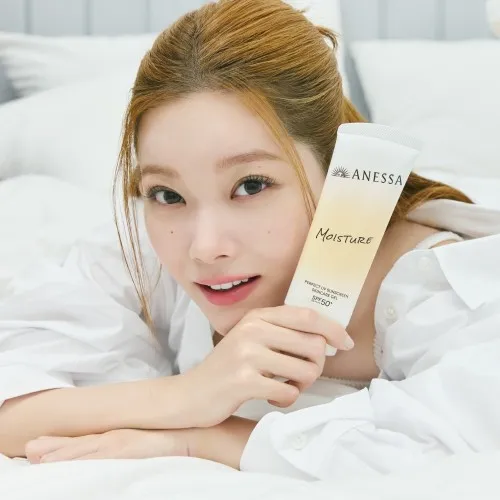
ANESSA
Perfect UV Skincare Gel NB
90 g
Read the protection labelling together with the reapplication and cleansing directions.
View on NaverWhat should you look at for your skin feel and daily life?
Dry skin
Look at whether it is not tight or uncomfortable even when applied enough together with your current moisturiser. Avoid settling on a cream just because your skin is dry, or reducing the amount of sunscreen because it feels heavy.
Skin bothered by shine
You can refer to descriptions like fresh or matte finish. But the result is not decided by the format name alone, so look at the shine and slipping when the recommended amount is used, together.
People who wear make-up often
Look at whether it does not slip when used with a base after enough sunscreen has been applied. Do not reduce the amount of sunscreen to keep make-up thin. There is no need to add tone-up or a primer as a must either.
Days with a lot of outdoor activity
There is no need to have several formats. Whatever the format, check that it can cover the exposed areas enough, evenly, and is easy to reapply as the product guidance says.

Editor’s Point
Reviews saying the white cast, slipping or scent was bothersome can be a reference too. But they can vary with the amount used, the products applied with it and the skin’s condition, so do not assume the result will be the same for you.
Buying Checklist · check before you buy
A last check before choosing a format
- Will you mainly use it indoors or outdoors?
- Did you check the SPF, UVA and UVB protection and the water resistance labelling you need?
- Is it for the face or for the body?
- Does it not slip when used before make-up?
- Are the white cast, scent and stickiness not bothersome?
- Is it a format that makes it easy to apply enough?
What real conditions are easy to miss when choosing a format?
Do not decide by it not getting on your hands alone
However convenient a stick looks, you have to be able to apply enough without missing any exposed area. Check there are no gaps on curves and edges, and follow each product’s application guidance. Portability is one criterion for choosing a sunscreen.
When you want tone-up
Even if you like the colour correction, do not match the colour by reducing the labelled amount of sunscreen. Compare whether the spread and finish when enough is used suit your taste. If it does not suit, it is better to look at another candidate than to reduce the amount.
Days exposed to sweat and water
Check the water resistance label and its terms. Reapplication may be needed after swimming, sweating, or towelling, and water resistance doesn’t mean it holds up all day. Keep shade, clothing, and a hat ready, too.
Compare with the products you already have
Write down the exact product name, protection labelling, areas of use and reapplication method. Rather than having all of lotion, stick and spray, decide by whether you can actually use enough.
How do you compare formats by the day you will use them?
What to check before heading out
Before going out, allow time to apply enough to the exposed areas. Whatever the format, check for missed places like the ears and neck and follow the product’s directions.
Avoid reducing the amount because applying is a bother. It is good to prepare ways of using a hat, clothing and shade as well.

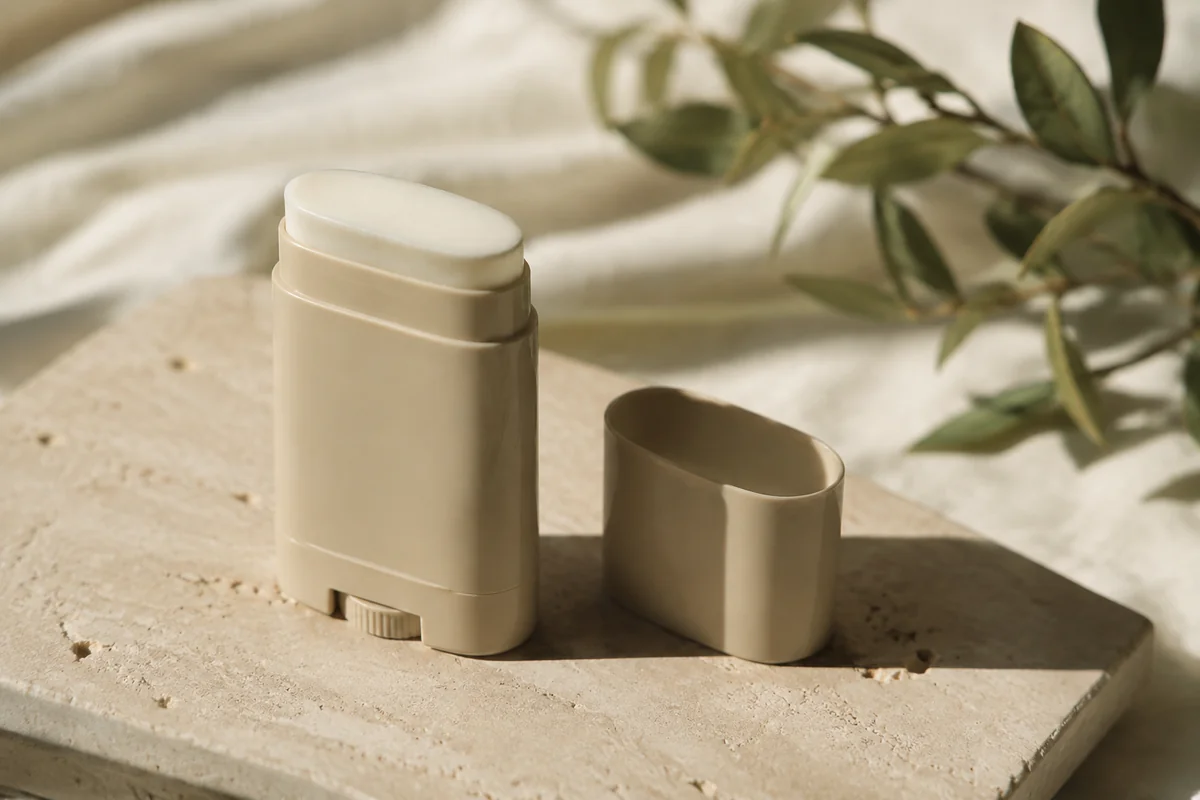
Think of where you will reapply
A spray has to be used somewhere you can keep to the cautions on wind, ventilation and flames. Even a stick that looks small and handy, look separately at whether it can apply enough evenly. If it is hard to keep to that method where you are going, you could think about bringing another application format.

On days you go in the water, read the labelling separately
Even a water-resistant product does not hold up to water and sweat all day. Read the exact water resistance labelling and reapplication guidance, and follow it after swimming, sweating or towelling too. Do not assume a small top-up after swimming will do — the exposed areas have to be covered enough, evenly.

Looking at the limits of wearing it over make-up too
Make-up staying even and sun protection being enough are different matters. Even if make-up looks good after tapping a cushion a little, it does not stand in for the amount needed. Follow the product’s directions and do not reduce the amount for fear of disturbing make-up. Make use of a hat, clothing and shade as well.

Whether it can be used the same way on face and body
Even a spray for the body, do not spray it directly at the face. If the product can be used on the face, follow that guidance, such as dispensing into the hand to apply, and avoid the eyes and mouth.
If the family shares it, read each person’s age and cautions too. Even in the same format, do not apply another product’s directions as they are.

Do not choose one as a product to keep in the car
The inside of a car can get quite hot, so do not leave one there as a backup when you step out. If you packed it in your bag for going out, it is best to bring it back inside with you and keep it under the product’s storage conditions. Do not assume that it is fine at high temperatures just because it comes as a stick or an opaque bottle.

Look at the product labelling and the environment you will use it in side by side
After reading the SPF, UVA and UVB protection, water resistance, areas of use, and method, compare them with the setting you will use it in. Whether you spend a long time outdoors, whether you go into the water, and whether there is somewhere suitable to use a spray all help. Do not guess at performance that is not in the description from star ratings or the format name, and ask the maker about anything that feels unclear.

Frequently asked questions
Whichever format you pick, lotion, cream, stick, or spray, it needs to cover the exposed areas evenly and well enough. Sticks and sprays make it easy to miss spots or apply too little, so check the product’s amount and reapplication guidance especially.
Even if the white cast bothers you, do not cut back on the amount of sunscreen. Apply the product’s labelled amount evenly, and you can compare other formats or colours that give the look you want at that same amount.
Even a primer labelled with an SPF only meets those conditions when the labelled amount is applied evenly. Applied thinly as make-up, it may not be enough, so when layering it over a basic sunscreen, check each product’s directions and watch for any slipping.
A stick is convenient to carry, but one single pass cannot be taken as enough. Apply it evenly in several directions without missing the same area, and follow that product’s guidance on the amount for the number of passes.
Pink, beige, and green are names describing the colour, and the depth and sheerness differ from product to product. Refer to the look you want, but the same colour name does not give everyone the same correcting effect. Check whether the colour actually suits you with the full labelled amount applied.
Even if shine bothers you, do not solve it by reducing the amount of sunscreen. Compare the actual finish of products you can apply the labelled amount of.
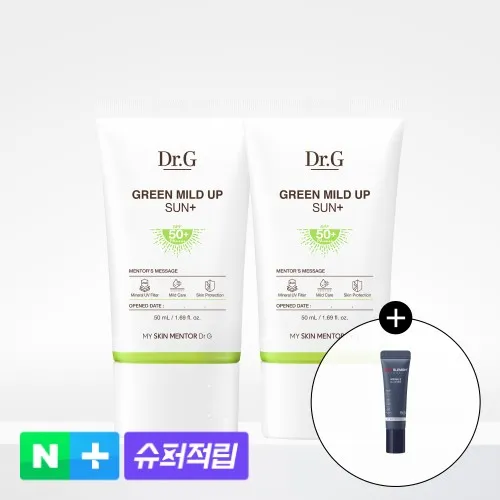
Dr.G
Green Mild Up Sun+
50 ml · 2 units / SPF50+ PA++++
Check the protection rating and reapplication directions.
View on NaverSources checked and where they apply
With sunscreen, check the SPF, broad-spectrum, and water resistance labelling, and cover the exposed areas well enough. Outdoors, apply at least every 2 hours and more often after water or sweat, and with sprays, avoid inhalation and spraying directly at the face.
How do you weigh the protection labelling together with a format that makes it easy to apply enough?
Look at the protection labelling and where you will use it first, then choose a format that makes it easy to apply enough, evenly. There is no need to keep a lotion, stick, and spray on hand for each time of day. For a tone-up or an SPF primer as well, read the actual amount and protection guidance, and do not try to make do by applying less just to match the colour.
Key points of this article
- Read the SPF, UVA and UVB protection, and water resistance labelling you need first.
- Whatever the format, apply enough evenly to the exposed areas and reapply as directed.
- With tone-up or an SPF primer too, do not reduce the amount of sunscreen for the sake of colour.
- If the product you have now is easy to reapply enough, you do not have to add another format.

Guides to read alongside
Once you have chosen a format, go on to your routine with how to reapply sunscreen over make-up and outdoors, and if adhesion is a concern, check how to choose a make-up base by skin type as well.
Do not test new products one after another on skin that is currently stinging or red. If redness, itching or swelling appears after using a product, wash it off gently and stop. If the reaction continues, check with a medical professional, and in the meantime reduce sun exposure with shade, clothing and a hat.


