
Restarting Retinol After a Break: Do You Have to Go Back to the First Strength?
Going back to retinol after a break? Start from the irritation you had before and how your skin is now. Do not set the strength or frequency from the length of the break alone, but read the product directions.


When you want to go back to a retinol you haven’t used for a while, it’s natural to wonder whether you can pick up the old strength and frequency right away. Rather than deciding from the length of the break alone, it’s better to look at why you stopped, how your skin is now, and what the product directions say.

Haneul’s restart notes
With a retinol you’re returning to after a break, the strength and frequency are hard to set from the break length alone. Look at any irritation you had the last time you used it, how your skin feels now, and the product label together, then start cautiously at a low frequency.
What do you check first before going back to the retinol in your drawer?
First check why you stopped using retinol, like sun exposure, or irritation such as dryness and stinging. The reason you stopped and how your skin reacts now bear more directly on the restart decision than the season does.
Even if you used it comfortably before, you might hesitate over whether that same frequency is fine now. How many months you paused cannot tell you how much of your tolerance remains.
We start with what to check before restarting.
There is a reason for the hesitation
Some products do not clearly separate first-time use from restarting. If the directions are thin, I suggest asking the manufacturer or a dermatologist and telling them about your previous experience with it.
You don’t need to see starting cautiously at a low frequency as wasted time. Rather than hurrying just because you used it before, first check that you can use it now without discomfort.


IOPE
Retinol Expert 0.1% Wrinkle Corrector
30 ml set
Check the concentration, use-by date, and your current skin response before restarting, and read the product label and directions.
View on NaverDo you start from the beginning, or carry on?

The answer cannot be picked from a single table of break lengths. Two people who both paused for two months start from different places if one stopped because of irritation and the other simply dropped it from their routine.
Four things to look at before restarting
- Whether there was redness, burning, or flaking the last time you used it
- Whether your skin currently has a wound, sunburn, or symptoms of dermatitis
- Whether you are restarting with the same product and strength
- Whether the product label or a dermatologist gives separate instructions
If any one of these is uncertain, I suggest you don’t go straight back to the old intensity, and instead put off using it or check with a professional.
It may not feel the way it used to

During the break, your skin, the products you use alongside it, and your living environment may have changed. Don’t expect the same routine to be comfortable now just because it was fine before.
If flaking, burning, or redness appears after you apply it again, don’t carry on assuming it’s simply an adjustment phase. You may need to adjust or stop.
You don’t need to make getting back to the old frequency quickly the goal. If uncomfortable reactions keep recurring, I suggest you consult about whether the product suits you rather than continuing to test a restart.
Why does how your skin is now matter more than the season for a restart?

Autumn does not automatically make it the best time to start again.
Start with why you stopped
Think back to whether you paused for outdoor activity, or stopped because of dryness or stinging. Different reasons can mean different things to check before restarting.
Dryness and UV exposure continue in the cooler season too. Don’t assume that irritation eases or restarting gets easier simply because it’s autumn, so decide by how your skin is now.
If it feels dry
If tightness or flaking bothers you, don’t push on with retinol by adding moisturiser. It’s fine to check the condition of your skin first and put off restarting.
Moisturising · start with what you know
Check your existing moisturiser too
If you already have a moisturiser you use comfortably, try that first. Even a single-ingredient oil can react differently if it’s new, so you don’t have to add one just to restart.
Check the product directions for the order of retinol and moisturiser. Layering more products doesn’t guarantee it will prevent irritation.
- When you want to check that your current moisturiser is comfortable
- When you do not want to add several new products at once
- When moisturising feels lacking and you want to look at the directions first
How do you restart slowly, making sure you don’t put up with uncomfortable reactions?

- The same product, at a lower frequency — start with spaces between uses, within what the product label allows.
- One variable at a time — don’t change the strength, texture, or other actives at the same time as restarting.
- Moisturising and daytime sun protection — if skin is dry or stings, don’t increase the frequency.
- Stop if uncomfortable — if burning, swelling, pain, or widespread redness appears, stop using it and check with a professional.
The American Academy of Dermatology (AAD) suggests starting slowly at a low strength and pairing it with a moisturiser, but doesn’t recommend the same four-week schedule or daily use for everyone.
What if you keep having to stop?

If you’ve started and paused several times, think back over what reaction you had each time.
Flaking and dryness are reactions to watch too
Don’t grit your teeth through the first few weeks as if they were a phase everyone must get through. Depending on how uncomfortable it is, flaking and dryness can also be reasons to lower the frequency or stop.
Starting at a low frequency does not mean no irritation for everyone. Rather than making continued use the goal in itself, check whether the current product suits you.
Put the moment to stop ahead of any schedule
Don’t set rules like “keep going if it is only flaking, drop one step if it burns”. If discomfort appears, lower the frequency or stop, and discuss severe or persistent reactions with a clinician.
Why do retinol, retinal and retinyl have different names?

If you’re switching to a new product, check the finished product’s strength, texture, and directions along with the ingredient name.
Retinol, retinal, and retinyl are related ingredients, but the finished products’ effects and irritation can’t be ranked from the names alone. Don’t read the table below as a grading chart for how fast to restart either.
| Label | Ingredient type | What to check on the product | Check before restarting |
|---|---|---|---|
| Retinyl palmitate | A type of retinyl ester | Content, texture and directions | Not automatically suited to sensitive skin |
| Retinol | A retinoid-family ingredient | Content, texture and directions | Whether it is the same version as your previous product |
| Retinal (retinaldehyde) | Also sold under the name retinaldehyde | Content, texture and directions | Do not set the frequency from retinol experience alone |
If the new product is a different ingredient or texture from the previous one, it needs looking at separately. There’s no common rule that you must return to the same family either, so check by the current product’s directions and the condition of your skin.
Look at the strength label too
The strength label is useful for comparing products, but the number alone can’t predict irritation or results. Don’t restart and change the strength at the same time, because the product label and your skin’s reaction come first.
The product format matters too
Creams and serums are formulated differently, so they can feel different too. That said, you can’t assume a cream is always slower to deliver and less irritating.
How do you check whether that bottle is still fine to use?

If the product has been stored for months, first check the expiry date, the date you opened it, and the storage conditions. How much potency remains is hard to judge by looks.
Check the expiry date and any changes together
If the smell, colour, or texture differs from before, or it has separated, don’t use it, and check with the manufacturer. Even if it looks unchanged, keep to the stated period and storage conditions.
Look at the container too
Don’t assume it will keep longer just because it comes in a pump or a tube. Follow the expiry and storage guidance for your current container, and close the cap properly.
The period-after-opening label
If a period after opening is stated, compare it with the date you actually opened it. Check the unopened expiry date too, and for a product you can’t remember, it’s best to check the manufacturer’s guidance.
What changed during the break, and how do you check?

Rather than calculating how much tolerance remains, look back over the changes below.
Your skin may be different now from before you stopped. When you consult about restarting, mention any exfoliators or skin procedures you’ve used recently and any treatments you use alongside.
Do not judge by the fact that you used it before
It’s hard to say that you’ll necessarily find it more comfortable than someone who has never used it. Rather than a formula of “just drop a few steps”, check your current directions and your skin’s reaction.
Nor can the season alone tell you that your skin has become sensitive. First look at whether it is actually dry or red, and whether any discomfort remains.
In what order, and how much, do you apply it?

On the day you restart, keep the products you normally use comfortably and do not start several new products together. That makes it easier to trace what changed if discomfort appears.
Check the actual product directions for the order of cleansing, moisturising and retinol. You do not have to include a toner or several serums, and it is better not to add multiple new products along with the restart.
Check the amount in the product directions first
The amount “a pea-sized dab” cannot be applied to every product. Check the recommended amount and areas for the product you use, and do not increase it on your own in the hope of faster results.
The waiting time before the next step differs by product. Unless directed otherwise, apply a thin layer without rubbing the skin hard, and use moisturiser in whatever way keeps your skin comfortable.
Check separately whether it can be used around the eyes
Being comfortable on the face does not mean it can be used around the eyes. Check whether the product is directed for eye-area use, and do not apply it where the product says to avoid.
How do you look at the products you use alongside it?
In the early days of a restart, do not add a new exfoliator or several actives at the same time. Rather than fixing a period, watch whether your skin is comfortable and adjust one thing at a time.
- Exfoliating products, AHA and BHA types
- Scrubs and peeling pads
- Directions for combined use with products such as vitamin C
- Other functional products you are newly starting
Do not open several at once
Looking at new products one at a time makes it easier to trace the cause if discomfort appears. Splitting them between morning and evening does not by itself make every combination fine.
Rest days · add products with care
If it turns red, do not start by adding a new soothing product
If redness appears, stop using it and check the condition of the skin. You cannot decide that one day off means you can return to the original schedule.
You do not need to add a sheet mask to recover. Check whether you can use the moisturiser you are already comfortable with, and consult if the reaction continues.
- When discomfort has appeared and you need to check whether to use it again
- When you are checking whether your existing products overlap in retinoids or exfoliating ingredients
- When you do not want to fill an empty step with a new product
Why don’t texture names alone set the restart pace?

Even with the same content label, finished products can differ. The items below are what to check in the product description, not a ranking of fast and slow.
| Texture | What to check | Point to remember |
|---|---|---|
| Cream | Amount, and order before or after moisturiser | A cream is not always mild |
| Lotion / emulsion | Areas of use and recommended frequency | Do not set a common routine from the name alone |
| Ampoule / serum | Content and when to apply | A serum is not always strong |
| Oil | Directions for use alone or combined | Do not mix with other products on your own |
Even if you used an ampoule before
Do not set the restart pace from a texture name such as ampoule or cream. Even at the same retinol strength, finished products can differ, so check the product label and how your skin reacts now.
Take a look at the container too
Do not keep opening it to check inside; close it properly after use. For storage, follow the product’s guidance on temperature and light.
Even if half remains, do not use it if the stated period has passed or you suspect it has gone off. There is no need to hurry a restart because the remainder seems a waste.
How do you use a moisturiser alongside it, as the product directs?

You can look after moisturising alongside, but it is hard to rank moisturising as making a bigger difference than retinol strength or frequency.
You could consider applying moisturiser first. Still, check the order your actual product directs, and do not treat a toner as a step that must be included.
Before layering products, check the directions for combined use. You cannot assume for every product that adding a cream on top keeps the effect the same and only slows delivery.
Check the ingredients and directions of the moisturiser you were already using comfortably. If functional ingredients or fragrance have bothered you before, it is worth taking that into account.
When washing, use lukewarm water and wash gently. If your skin feels tight or stings, look back at your cleanser and how you wash, but do not settle on the cause on your own.
Moisturising products · check the areas of use
Around the eyes and mouth, look at the permitted areas first
Creating a barrier with moisturiser does not make it fine to apply retinol where it should be avoided. Check the permitted areas and cautions of both products separately.
You do not need to prepare a particular balm or oil as a restart essential. If it was the eye or mouth area that bothered you before, tell them about that experience when you consult.
- When you have had discomfort using it around the eyes or mouth before
- When you want to re-check each product’s permitted areas
- When you want to look at the directions of your existing moisturiser
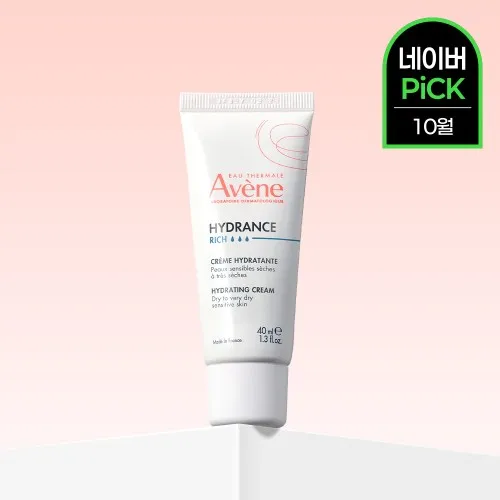
Avène
Hydrance Rich Cream
40 ml
Adjust the amount of cream and compare how your skin feels after moisturising.
View on NaverWhat do you do when the season changes once more?

If your skin gets drier once it turns cold, look again at how you use it and how your skin is.
You do not need to keep adding moisturiser just to hold on to the current frequency. If it is dry or stings, lower the frequency or stop, and check whether the current use is appropriate.
If there is tightness or mild dryness, do not increase the frequency. If burning, swelling, pain or widespread redness appears, stop using it and have a dermatologist check it.
Do not raise the strength or frequency automatically because spring has come. The same product’s directions and your skin’s actual reaction are the standard.
How do you check eye and mouth area use separately?
The product may restrict use where the skin folds or close to the eyes. Do not decide on your own that it only needs avoiding for the first few weeks.
If a particular area stung before too, check that experience before restarting. The whole face being comfortable does not mean the same amount is fine on that area.
Applying moisturiser beforehand does not turn a restricted area into a permitted one. If eye-area use is not stated, do not add it on your own.
Eye-area products can also differ in ingredients and directions. You do not necessarily need to buy a separate product, and if you need one, you can consult about which is appropriate.
What do you look after in the daytime?
When you go out in the daytime, use shade, clothing and sunscreen together. Keep the habit of protecting your skin from UV even on days you rest from retinol.
Even if you use it at night, look after daytime sun protection. Rather than calculating that the night’s effect is cancelled out in the day, think of it as protecting according to your actual exposure.
Even when the sun feels weak, exposure conditions differ. Do not assume your skin is more or less sensitive because of the season, and use shade, clothing and sunscreen together.
Apply enough daytime sunscreen as the product directs and reapply when needed. Passing a set period does not confirm the effect of retinol.
What do you check, rather than rushing for results?
Do not set a common timetable for how fast change should appear.
| What to watch while using it | What to discuss | |
|---|---|---|
| How it feels | Discomfort such as dryness, flaking and stinging | The change you hope for and a suitable product |
| Time | Varies by product and individual reaction | Consult on when to assess, to suit the product or treatment |
| Conditions | Not continuing while putting up with discomfort | Your current moisturising and sun protection |
How fast retinol brings change depends on the product, your skin’s condition, and how you use it. Don’t judge by a timetable alone, and if irritation continues or the results you expected don’t appear, discuss it with a professional.
What do you do if an uncomfortable reaction appears after restarting?

Don’t treat every new bump or dryness as an adjustment reaction that will pass. The cause is also hard to tell from the signs below alone.
| Discomfort that can appear | What to check further | |
|---|---|---|
| Appearance | Fine flaking | Red and swollen |
| Sensation | Slight tightness | Burning or stinging |
| Timing | When it started | Whether it recurs every time you use it |
| Extent | Where it appeared | Whether it is spreading or getting worse |
Matching only the left column of the table doesn’t mean you can keep using it. If discomfort appears, lower the frequency or stop, and have a dermatologist check it if it’s severe or persists.
Don’t put itching or new bumps down to the texture and immediately try another product. Stopping the product and finding out what the reaction is comes first.
If it’s hard to judge, it’s fine to take a break. A few days off doesn’t guarantee you can restart, so consult if discomfort remains.
What do you do the morning after applying?

Check that your skin still feels comfortable the next morning. Along with the amount you applied at night, you can also look at the products you use in the morning.
There’s no set rule that you must wash with water only. Wash gently as the product and any treatment directs, and if your usual cleanser stings, don’t keep using it. It’s best not to add exfoliation to uncomfortable skin either.
If your skin feels dry in the morning, check the directions of the moisturiser you use comfortably. You don’t have to add an extra layer just to keep going with evening retinol.
If redness or swelling has appeared in the morning, don’t put it down to a difference in lighting in your photos. Use the record for consultations, but if the discomfort is severe or persists, have a clinician check it.
What do you record to make next time easier?

If you ever pause again or change products, your earlier record can help. You don’t necessarily have to stop every summer.
Briefly note the product name, the start date, the frequency, and any uncomfortable reactions. You don’t need to count the time it took to get back to the old frequency as an achievement.
If you stopped or adjusted, note the reason too. Rather than applying the same pace next time, use it as reference material when you consult about restarting.
Photos are easier to compare if taken at intervals in the same lighting and from the same distance. Don’t take a particular number of months as the standard for judging results.
When do you put off restarting?

There are conditions in which now is not the right time to open it.
- Right after heavy sun exposure, or while the skin is burning
- Shortly after an exfoliating procedure or laser treatment
- While redness or breakouts are currently flaring
- Don’t use it during pregnancy. If you are planning a pregnancy, discuss it with a clinician before restarting.
It’s fine to put off restarting. If you had a severe reaction before or discomfort remains now, consult first.
If you have an important event coming up, don’t start retinol afresh or change the strength right before it. Unexpected dryness or redness can appear.
Having few outdoor plans doesn’t by itself make it a good time to restart. Check the condition of your skin now and the reason you stopped together.
Indoor environment · adjust only when needed
If the room feels dry
You can look at the dryness of the room you spend most time in and any heating or cooling air blowing directly on you. Buying a new humidifier is no guarantee that you can restart retinol or that irritation will ease.
If you use a humidifier, follow the device’s cleaning and maintenance guidance. Like applying more product, adjusting the environment doesn’t replace checking the condition of your skin.
- When the room feels dry
- When heating or cooling air blowing directly on you is uncomfortable
- When you want to check that you can keep up a humidifier’s maintenance and usage guidance
What do you check before buying?
- Have you checked the product’s expiry date, the date you opened it and how it was stored?
- Have you checked that the ingredients and version match your previous product?
- Have you read the current product’s strength and recommended directions?
- Have you avoided judging a product as mild from its texture name alone?
- Have you checked the storage guidance for each container?
- Have you checked the combined-use directions of the moisturiser you use comfortably?
- Do you have a sunscreen for the daytime?
- Are you avoiding opening several at once — it becomes hard to tell which one does not suit you
Frequently asked questions
The length of the break alone cannot tell you how much tolerance remains. Look at the irritation you had the last time you used it, how your skin feels now, and whether the product and strength are the same, and restart cautiously at a low frequency.
Restarting and changing the strength at the same time makes it hard to tell what caused any irritation. Before using the new strength, check the product label, and if your skin is sensitive or you are under treatment, discuss it with a dermatologist.
Flaking can also be a sign that your skin is uncomfortable. Don’t keep pushing through, lower the frequency or stop. Severe reactions such as burning, swelling or pain, or persistent discomfort, are best checked by a dermatologist.
Using it in the evening is the usual approach. In the daytime, look after sun protection and split the roles that way.
First check whether the product can be used around the eyes. Being used to it on the whole face doesn’t mean it can go around the eyes. Even with moisturiser applied first, the restrictions on use still apply.

Avène
Sun Mineral Cream
50 ml · SPF50+ PA++++
Check the morning sun-protection step and the reapplication directions.
View on NaverWhat is the short version?
The strength and frequency to restart at are hard to set from the length of the break alone. Look at the reason you stopped, how your skin is now, and the product directions together, and don’t hurry.
For a product you already have, check the expiry date and storage first; for a new one, look at how it differs from the previous product. Look after moisturising and daytime sun protection, but avoid continuing while putting up with an uncomfortable reaction.
Haneul in one line
When restarting retinol, watch your skin’s reaction at a low frequency. How your skin is now and the product label are the standard, not the season.

Sources checked and scope
The sources below cover the skin conditions to consider before using a retinoid, how to start slowly, and the cautions on use during pregnancy. They are not a common restart table setting strength or frequency by length of break.
Worth reading next
- Starting Retinol: Read the Label Before You Pick a Percentage
- Stinging or Red While Using Retinol? Don’t Assume It’s Just Adjustment
- Choosing an Eye Cream: Start With the Stated Area and How Your Skin Responds


